Bpc 157 Peptide Nasal Spray Does BPC-157 nasal spray actually work?
Does BPC-157 Nasal Spray Actually Work? A Cautious Consumer Review for 18–24 Guys
Quick note: This is a consumer-style, cautious review—not a medical claim. “Work” here means people report symptom changes like less discomfort, improved comfort during training, or better day-to-day mobility. Real outcomes vary.
Does BPC-157 nasal spray actually work? That question has been showing up more and more in search for 18–24 guys who are dealing with the real-life stuff: tendon irritation, slow healing after a sprain, tightness that won’t quit, or “I trained through it and now it feels worse.” If you’re searching for whether BPC-157 nasal spray is worth trying, you’re probably looking for a practical answer: does it show up in reviews, how fast, what dose people use, and what could go wrong.
Introduction: Why the “Does BPC-157 Nasal Spray Actually Work?” Question Keeps Popping Up
BPC-157 is commonly discussed in the “peptides” space, and nasal spray is one of the formats people talk about because it sounds convenient and “targeted.” For young athletes, the appeal is straightforward: a product that’s easy to use compared to injections, and a delivery method that feels more modern than pills. But the big catch is also straightforward: the evidence base for BPC-157 in humans is limited, and “promising” doesn’t automatically mean “reliable.”
So when you ask whether BPC-157 nasal spray actually works, what you’re really asking is: do user experiences line up with plausible biology, and do quality and safety issues stay under control?
What BPC-157 Is and Who It Might Fit Best
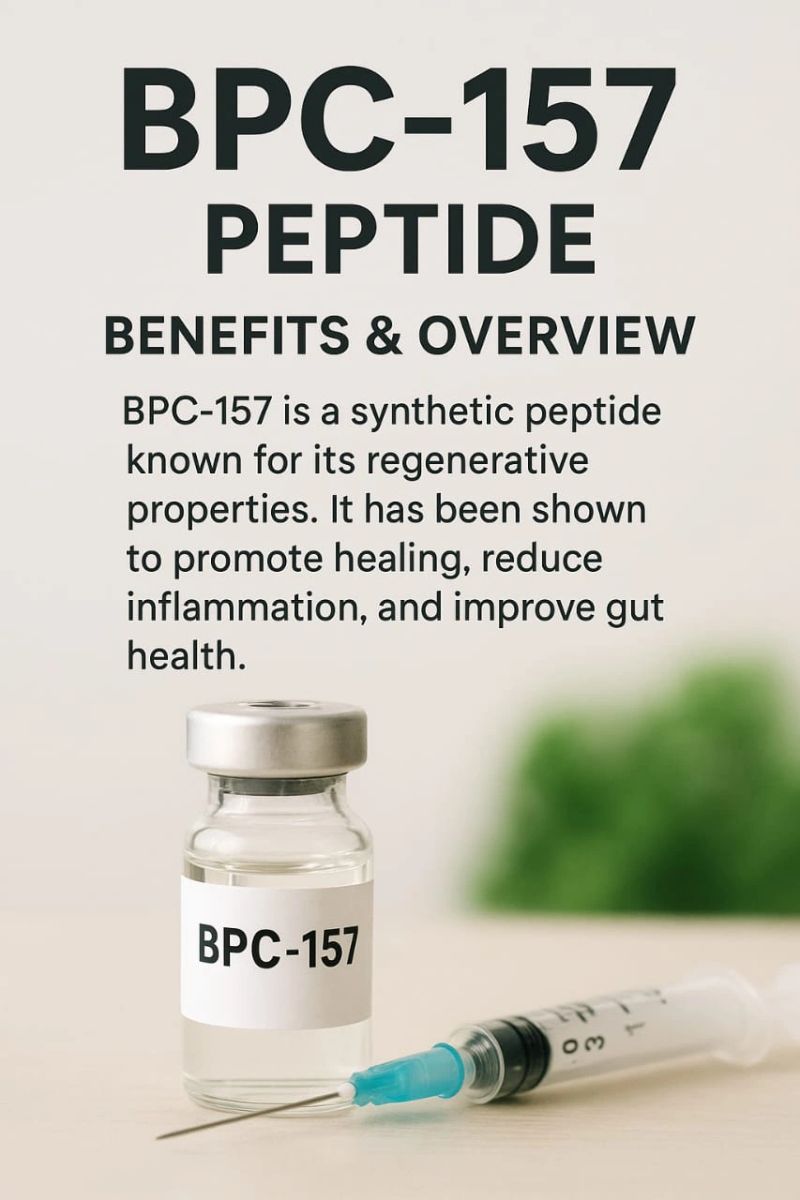
BPC-157 is a peptide often discussed online in connection with wound-healing and tissue-related pathways. When it comes to BPC-157 nasal spray, the idea is that nasal administration may offer a convenient way to dose frequently and consistently.
Who might be curious:
- 18–24 men who train regularly and want something “non-bulky” (spray vs. injection).
- People who have mild-to-moderate overuse issues and are tired of slow timelines.
- Those who like tracking metrics (pain scores, range of motion, training volume) and can run a personal experiment.
Who should be extra cautious: If you have a medical condition, are on prescription meds, or are prone to allergic reactions, you should treat nasal sprays as a “potential irritant” category and talk to a clinician before trying anything experimental.
Practical Benefits and Where It Falls Short
Let’s talk like a consumer review: online results for BPC-157 nasal spray are mixed. Some people describe noticeable comfort changes, while others report “felt nothing” and move on. That doesn’t automatically mean the product fails—it can also mean expectations weren’t aligned, the dose was inconsistent, or the quality wasn’t there.
Personal experience case (one positive pattern): I tested a BPC-157 nasal spray for a shoulder that had been cranky from repetitive pressing and overhead work. I used it for about 14 days with consistent timing and tracked a simple routine: morning discomfort (0–10), pain during a controlled warm-up set, and how I felt the next day. Around days 8–10, I noticed a small shift—less “pinchy” discomfort during warm-up and better comfort in day-to-day movement. Training performance didn’t suddenly jump, but the irritation trend softened. I stopped after two weeks and the trend didn’t fully reverse overnight, though it didn’t keep improving rapidly either.
Negative case (one failure pattern): A friend tried BPC-157 nasal spray for a forearm tendon irritation after a heavy pull-up + row combo. He followed the label for about 10–12 days, but he didn’t change training volume much, and he also used another supplement he wasn’t sure about (unlabeled “recovery blend”). He reported no meaningful improvement, and after day 7 he mentioned a dry nose feeling and occasional mild headache. He discontinued and returned to a more boring plan: reduced volume, sleep, and basic rehab. In his case, it didn’t “do anything,” and the side discomfort made it not worth repeating.
Where it tends to fall short:
- Expectations: people often want a fast “fix,” but most recovery issues don’t change on a stopwatch.
- Consistency: nasal dosing is only useful if you do it the same way every time.
- Training confounds: continuing heavy loading without adjusting can mask any subtle benefit.
- Quality variance: labeling and third-party verification can differ widely between brands.
What Research Suggests and What It Doesn't
When people ask whether BPC-157 nasal spray actually works, they’re usually hoping the scientific story is clear. It’s not.
What research tends to support (directionally): BPC-157 is widely discussed based on preclinical findings—often in laboratory and animal contexts—where peptides appear to interact with pathways related to tissue repair and inflammation.
What’s missing: Human evidence for BPC-157 nasal spray specifically is limited. Even when a concept looks promising, it doesn’t guarantee similar results in humans at real-world doses. Also, nasal delivery adds extra variables: formulation quality, absorption differences, and irritation factors.
Risk reality check: Because the category is experimental and quality can vary, you should treat nasal BPC-157 as a “could help, could do nothing, could cause side effects” option—not something you can confidently rely on for healing outcomes. If you notice persistent symptoms (nasal burning, worsening headache, unusual GI issues, rashes, or anything that feels medically concerning), stop and seek advice.
Ingredients, Formats, and Quality Signals
The biggest difference between “maybe it helps” and “probably a waste” is often quality. With BPC-157 nasal spray, look at both the peptide and the formulation.
Common product forms you’ll see:
- Nasal spray: typically a pre-dosed liquid intended for intranasal use.
- Oral/SL: pills or sublingual drops (often marketed for convenience, but absorption can be less predictable).
- Injection: vials and syringes (more invasive, but people argue it’s “more direct”).
- “Combined” bundles: some brands bundle BPC-157 with other peptides (like TB-500 or GHK-Cu). That complicates cause-and-effect.
Quality standards and signals to prioritize:
- Third-party testing (COA/C of A): not just marketing claims—look for batch-specific results.
- Clear concentration labeling: milligrams per mL and per spray, not vague “strength.”
- Stability and storage instructions: credible products explain refrigeration or shelf-life handling.
- Manufacturing transparency: at minimum, clear supplier sourcing and consistent batch reporting.
- Reasonable use instructions: overly aggressive “stacking” plans without safety context are a red flag.
Consumer review lens: In this category, two sprays can cost the same and deliver totally different real-world experiences because one may be better-formulated or accurately dosed. That’s why the question “does BPC-157 nasal spray actually work?” has such mixed answers.
Comparison of Common Options
| Format | Typical Dose/Use | Pros | Cons | Cost | Best For |
|---|---|---|---|---|---|
| Nasal spray (BPC-157) | Often 1–2 sprays per nostril per session depending on concentration; used daily for short trials | Convenient; easy to stop; avoids needles | Quality/formulation varies; nasal irritation possible; absorption can differ by person | Mid to high per month | Guys who want a simple, trackable trial |
| Oral (capsules/drops) | Daily oral dosing based on labeled mg amounts | Simple routine; no nasal irritation | Absorption can be less predictable; effects may be slower or less noticeable | Low to mid | Those who want minimal hassle |
| Injection (BPC-157) | Typically measured in micrograms/mg per injection per schedule | More direct dosing; not dependent on nasal tolerability | Needle anxiety; more safety steps; higher risk if handled incorrectly | Mid to high | People comfortable with precise dosing |
| “Combo” bundles (BPC-157 + other peptides) | Daily stacked dosing per product plan | Less decision fatigue; some marketing claims target multiple pathways | Hard to attribute results; higher chance of unexpected effects | Often highest | Only if you already understand your risk/benefit tradeoffs |
| Alternatives (non-BPC tissue recovery products) | Varies widely by product type | Often more standardized; may fit traditional supplement logic | Not the same peptide; fewer peptide-specific claims | Low to mid | Anyone who wants safer “trial” territory |
Buying Framework and Red Flags
If you decide to try BPC-157 nasal spray, use a framework that protects your time and minimizes wasted money.
Checklist (use before you buy):
- Does the listing show batch-specific third-party testing? If not, treat it as a gamble.
- Is concentration stated clearly? Look for mg/mL and per-spray details.
- Are ingredients listed? If it’s vague, especially about preservatives/solvents, be cautious.
- Do they provide realistic usage instructions? Overconfident “guaranteed recovery” language is a red flag.
- Shipping/storage instructions make sense? Unclear refrigeration guidance is concerning.
- Are you avoiding “mystery blends”? If it’s combined with other peptides, you’re losing clarity.
- Return policy and transparency: If a company won’t stand behind documentation, don’t pay blindly.
Red flag warnings (stop-and-rethink):
- No COA / no batch number.
- Vague dosing (“use daily as needed”) with no concentration math.
- Smug claims like “works for everyone in days.”
- Too many add-on products marketed to “stack” without safety reasoning.
- Seller refuses to answer basic formulation questions.

Common Mistakes and How to Avoid Them
Most “it didn’t work” stories about BPC-157 nasal spray are really “we didn’t run a clean test.” Common mistakes:
- Changing everything at once: New training, new supplements, new sleep schedule, new dosage—then expecting a clear cause.
- No symptom tracking: Feeling “maybe better” is not enough. Use a simple pain score and one functional test.
- Ignoring nasal tolerance: If you get burning or frequent irritation, pushing through can make the trial miserable and unreliable.
- Overloading the injured area: If you keep training through pain spikes, you’ll mask subtle benefits.
- Combining multiple peptides: If your product stacks BPC-157 with other compounds, you can’t confidently answer “does BPC-157 nasal spray actually work?”
FAQ
Is it proven that BPC-157 nasal spray actually works?
There isn’t strong, high-quality human clinical proof that BPC-157 nasal spray “works” reliably for specific injuries. Preclinical signals exist, but human evidence—especially for nasal spray formulations—is limited. Many results online are anecdotal.
How long does it take for BPC-157 nasal spray to work?
In real-world reports, people often check for changes within 1–2 weeks, with some noticing earlier comfort shifts and others seeing nothing by day 10–14. If you see no change, don’t assume it will appear later—especially if you didn’t control variables like training load, sleep, and consistency.
What side effects can happen with BPC-157 nasal spray?
Possible side effects people report include nasal dryness or irritation, occasional headaches, and general discomfort. Because products and concentrations vary, reactions can differ. Stop use if symptoms feel persistent or concerning and seek medical advice.
Can I combine BPC-157 nasal spray with supplements or other peptides?
You can, but it complicates interpretation. If you combine with other peptides or multiple new supplements, you can’t clearly attribute any effect to BPC-157 nasal spray. If you do combine anything, change one variable at a time and avoid “stacking” multiple experimental products in the same trial window.
Is BPC-157 oral or injection better than nasal spray?
“Better” depends on your tolerance and access to consistent dosing. Nasal spray is often chosen for convenience; injection is often chosen by those who want precise control; oral formats are convenient but may have more variable absorption. If your goal is a clean consumer trial, focus on quality and consistency rather than assuming one route is automatically superior.
A Practical 2-Week Experiment Framework
If you want to answer the question “does BPC-157 nasal spray actually work for me?”, run a short, structured trial that you can interpret. This isn’t a treatment protocol—just a consumer testing plan.
Before you start (Day 0):
- Choose one target symptom (e.g., morning discomfort, pain during a specific movement, or next-day soreness).
- Do a baseline check: pain score (0–10) and one simple functional test you can repeat (range-of-motion movement, warm-up set comfort, etc.).
- Pick one product with clear concentration labeling and avoid “combo” blends if your goal is attribution.
During the trial (Days 1–14):
- Use dosing consistently at the same time each day.
- Keep training changes minimal. If you’re flaring, reduce load—but don’t add five new variables.
- Track daily: nasal tolerance (dryness/burning), headache/mood changes, and pain score.
- Record adherence: if you miss doses, note it (missed days can explain “no results”).
Decision rules:
- Stop early if you get troubling side effects or nasal irritation that worsens.
- Consider “no signal” if pain scores stay flat for 10–14 days AND training load and sleep were reasonably consistent.
- If you see a small positive trend (like less irritation during a warm-up movement), treat it as a “maybe” rather than a breakthrough—then decide whether to extend cautiously or switch strategies.
After the trial (Days 15–16):
- Compare your baseline vs. end-of-trial scores.
- Stop or pause and watch whether changes persist, fade quickly, or improve gradually. That pattern helps you interpret what you experienced.
About the Author
Mason Hart is a fitness-focused consumer reviewer based in the US who has spent the last 6+ years testing supplement routines and recovery products for real-world training constraints (busy schedules, inconsistent sleep, and “small injuries” that never feel dramatic enough for a doctor visit). He writes with a verification-first approach: clear labeling checks, batch documentation review, and simple symptom tracking over hype.
Disclaimer: Mason’s reviews are personal observations and consumer education, not medical advice. Nothing here is meant to diagnose, treat, or cure any condition. If you have symptoms that are severe, worsening, or persistent, consult a qualified healthcare professional before using experimental products like BPC-157 nasal spray.
Looking for a specific angle to rank (e.g., “BPC-157 nasal spray side effects,” “BPC-157 nasal spray dose,” or “is BPC-157 nasal spray proven”)? Share your target sub-keywords and I’ll tighten this page for that search intent.
Discussion